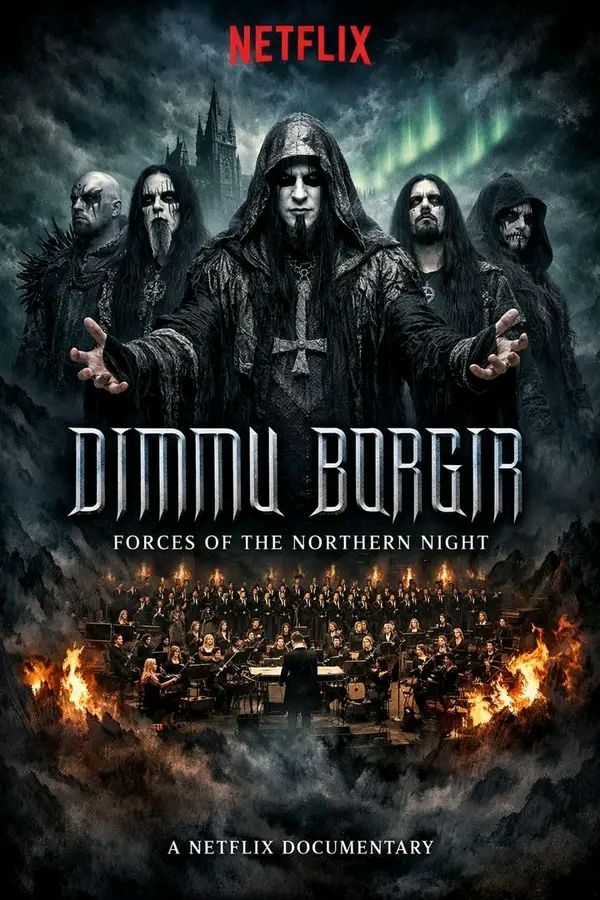
Orchestrating Evil: The Cinematic Journey of Dimmu Borgir*Watch⬇️
In the shadowy realm of black metal, few bands have managed to combine musical brutality with cinematic grandeur quite like Dimmu Borgir. Since their formation in Norway in the early 1990s, Dimmu Borgir has been renowned for their symphonic sophistication, dark artistry, and theatrical stage presence. Their journey is not just a musical evolution but a cinematic odyssey that has captivated fans worldwide—an epic tale of orchestrating evil through sound and vision.
**A Dark Beginning**
Dimmu Borgir’s story begins in the depths of Norway’s underground metal scene, where raw aggression and atmospheric darkness reigned supreme. From their debut album, *For All Tid* (1995), the band set their sights on more than just music—they aimed to craft a dark universe filled with mysticism and chaos. Their early work was raw, aggressive, and atmospheric, laying the groundwork for what would become a cinematic journey into the abyss.
What set Dimmu Borgir apart was their ability to create a visual and musical narrative that transported listeners into a realm of shadows. Their music wasn’t just played; it was orchestrated like a grand film score—full of tension, drama, and haunting melodies. Each album became a chapter in their cinematic saga, with *Enthrone Darkness Triumphant* (1997) cementing their reputation as masters of dark storytelling.
**Mastering the Art of Cinematic Darkness**
As the years progressed, Dimmu Borgir’s ambition grew. Their albums evolved into grand concept works, blending orchestral arrangements, choir vocals, and layered soundscapes that felt like a soundtrack to a dark fantasy or horror film. Albums like *Puritanical Euphoric Misanthropia* (2001) and *Death Cult Armageddon* (2003) pushed the boundaries of black metal, transforming it into a theatrical experience.
Their music became more than just listening—it was an immersive journey. The band’s use of symphonic elements created cinematic tension, while their lyrics explored themes of darkness, chaos, and the occult. Their live shows complemented this cinematic vision, with elaborate stage designs, pyrotechnics, and visual effects that made each performance feel like a ritual or a scene from a horror film.
**Visuals and Theatricality**
Dimmu Borgir’s visual presentation is an integral part of their cinematic journey. Their album covers, music videos, and stage productions are meticulously crafted to evoke a sense of myth and menace. The band’s aesthetic combines gothic grandeur with sinister imagery, creating a visual language that amplifies their musical storytelling.
Their concerts are an immersive experience—full of fire, smoke, and haunting projections—designed to evoke a sense of otherworldly evil. Every element, from costumes to lighting, is orchestrated to enhance the dark narrative they tell through their music. Watching a Dimmu Borgir show is like stepping into a dark fantasy film, where chaos and beauty intertwine.
**The Cinematic Legacy**
Dimmu Borgir’s influence extends far beyond black metal circles. Their cinematic approach to music has inspired countless artists and has helped elevate metal to an art form that can rival film scores and theatrical productions. Their ability to craft a dark, immersive universe has set a standard for theatricality and storytelling in metal music.
Their journey is ongoing, with new albums and live performances continuing to push the boundaries of their cinematic vision. Each release is an invitation to enter their dark universe, a place where evil is orchestrated with precision and artistry.
**Watch⬇️** — for an inside look at their cinematic journey, stunning live shows, and the dark artistry that has made Dimmu Borgir legends. Witness how they orchestrate evil through symphonic darkness, creating a visual and auditory experience that’s as grand and terrifying as a cinematic masterpiece.
**In conclusion, Dimmu Borgir’s journey is a testament to the power of music as a form of cinematic storytelling. Their ability to craft a universe of shadows, chaos, and beauty makes them true masters of orchestrating evil—an ongoing epic that continues to captivate and inspire.