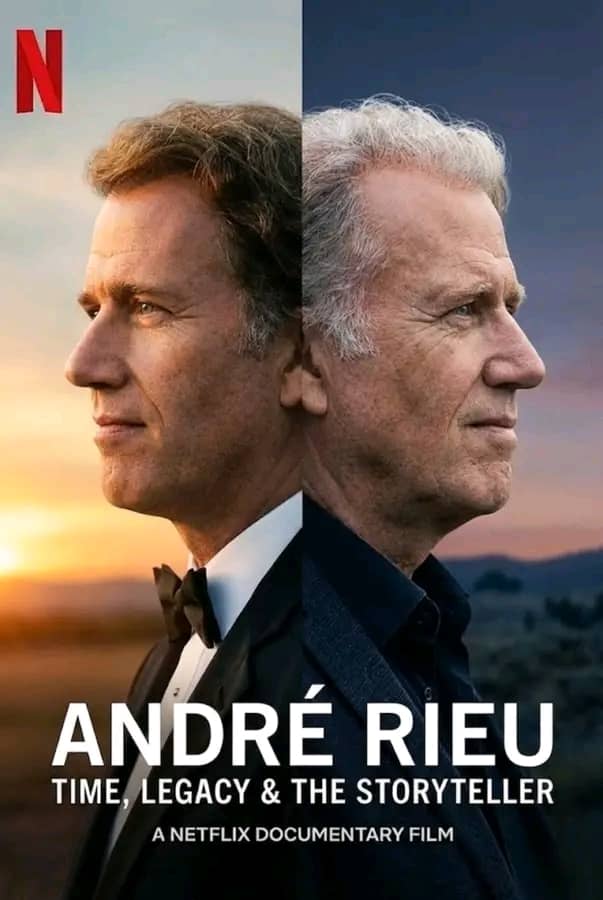
Netflix has just dropped the official trailer for “André Rieu: The Stories That Shaped Generations,” and within minutes, it sent shockwaves across the entertainment world. Slated to premiere on January 15, this documentary is already being whispered about as one of the most emotionally powerful cinematic portraits ever released..WATCH MORE
Netflix has just dropped the official trailer for “André Rieu: The Stories That Shaped Generations,” and within minutes, it sent shockwaves across the entertainment world. Slated to premiere on January 15, this documentary is already being whispered about as one of the most emotionally powerful cinematic portraits ever released. More than a biography, it is a sweeping, soul-stirring journey through music, memory, and the timeless human need for beauty.
From the opening seconds of the trailer, it’s clear that Netflix is delivering something special. The screen fades in on a sea of faces—young and old, from every corner of the globe—united by a single melody. At the center stands André Rieu, violin in hand, smiling as if he knows a secret the world is just beginning to understand: that music, when played from the heart, can shape generations.
The documentary traces Rieu’s extraordinary rise from a young boy in Maastricht, enchanted by classical music, to a global cultural phenomenon who redefined how the world experiences the waltz. Through rare archival footage, intimate interviews, and breathtaking concert sequences, viewers are invited behind the curtain to witness the man behind the maestro. It is not a story of overnight success, but one of persistence, passion, and an unshakable belief that classical music belongs to everyone—not just elite concert halls.
What sets The Stories That Shaped Generations apart is its emotional depth. The trailer hints at moments of vulnerability rarely seen before: André reflecting on early doubts, financial risks that nearly ended his dream, and the personal sacrifices required to build his Johann Strauss Orchestra into a global sensation. These revelations are balanced with moments of pure joy—stadiums filled with tens of thousands of fans singing along, couples dancing under the stars, and tears flowing freely as familiar melodies unlock long-forgotten memories.
Netflix also shines a spotlight on the audience itself. Fans from different cultures and generations share how Rieu’s music became the soundtrack to their lives—played at weddings, funerals, anniversaries, and moments of healing. These stories reinforce the film’s central theme: André Rieu is not just a performer; he is a bridge between eras, cultures, and emotions. His concerts are less about perfection and more about connection, turning strangers into a single, unified choir.
Visually, the documentary is nothing short of spectacular. Lavish cinematography captures the grandeur of Rieu’s world-famous productions—from fairy-tale castle stages to open-air concerts in historic city squares. The sweeping camera movements, combined with crystal-clear sound design, promise an immersive experience that feels as close to attending a live André Rieu concert as possible from a living room sofa.
Critics who have previewed the film are already praising its sincerity and scale, calling it “deeply human,” “uplifting,” and “a love letter to music itself.” Unlike many music documentaries that focus solely on fame, this film explores legacy—how art passes from one generation to the next, shaping identities and preserving hope in uncertain times.
As the January 15 premiere date approaches, anticipation continues to build. Social media is buzzing with fans counting down the days, while newcomers are discovering why André Rieu commands such devotion worldwide. For longtime admirers, the documentary promises tears, nostalgia, and pride. For first-time viewers, it offers an open door into a world where classical music is vibrant, emotional, and profoundly alive.
“André Rieu: The Stories That Shaped Generations” is not just a documentary—it is an experience. One that reminds us, in an age of noise and division, that a single melody can still bring the world together.