Brotherhood, Betrayal, and Black Metal: Why Everyone Is Talking About Dimmu Borgir’s Netflix Documentary
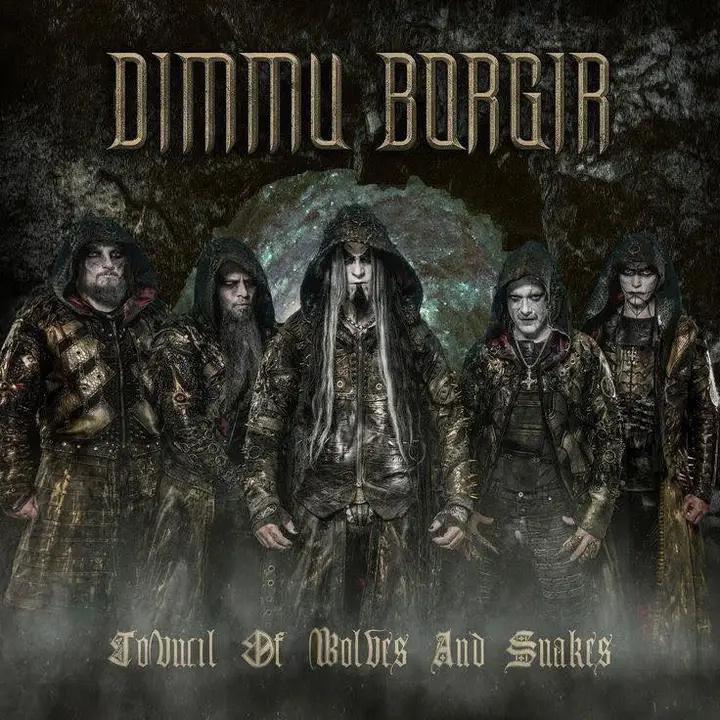
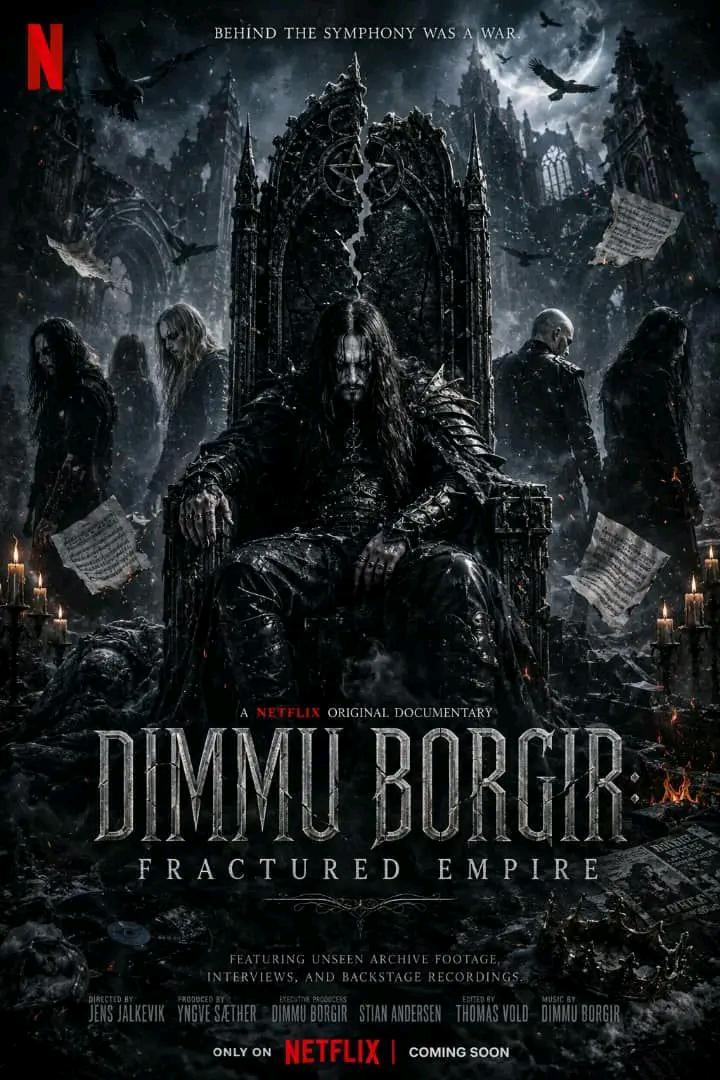
In recent weeks, the metal community and beyond have been buzzing about Netflix’s latest release: a haunting, revealing documentary centered around the legendary Norwegian black metal band Dimmu Borgir. Titled **“Shadows of the Abyss,”** the film offers a rare, in-depth look into the band’s journey, exploring themes of brotherhood, betrayal, and the dark roots of black metal. Fans, critics, and newcomers alike are captivated by the raw honesty and compelling storytelling, making this documentary a must-watch for anyone interested in the true story behind one of metal’s most influential acts.
At its core, “Shadows of the Abyss” delves into the complex relationships that have defined Dimmu Borgir’s existence. The band’s formation in the early 1990s was marked by intense camaraderie, shared visions of musical innovation, and a desire to push the boundaries of darkness. The documentary captures this brotherhood vividly, showcasing footage of band members working tirelessly in the studio, sharing intimate moments on tour, and reflecting on their collective journey. Viewers get a glimpse into the bond that sustained them through decades of creative evolution and personal struggles. For many fans, this insight into the band’s unity underscores what makes Dimmu Borgir so compelling—a relentless pursuit of artistic expression rooted in a shared passion for darkness.
However, the story is not solely about brotherhood. The film does not shy away from the darker side of the black metal scene—betrayal, conflicts, and the ideological clashes that have shaped the band’s history. As the documentary unfolds, it reveals internal tensions, creative differences, and moments of betrayal that threatened to tear the band apart. These revelations have sparked widespread discussion, with fans analyzing the behind-the-scenes drama that often remains hidden from public view. The honesty with which the band members discuss these betrayals lends emotional weight to the narrative, illustrating that even within a brotherhood, human flaws and conflicts can emerge. It adds a layer of realism to the mythos of black metal, emphasizing that behind the music lie complex, imperfect individuals navigating their own darkness and redemption.
Beyond the personal stories, the documentary explores the broader cultural and historical context of black metal’s rise in Norway. It touches on the controversial incidents that plagued the scene—church burnings, extremism, and the media sensationalism that often surrounded black metal in its early days. Dimmu Borgir’s journey is placed within this turbulent landscape, highlighting how their music and philosophy challenged societal norms and provoked intense reactions. The film’s visual aesthetic—dark, atmospheric, and often disturbing—mirrors the genre’s unsettling themes and immerses viewers in the spiritual and emotional depths of black metal.
What sets this documentary apart is its candid interviews with the band members, who openly discuss their influences, spiritual beliefs, and the personal toll of their creative pursuits. Fans praise the film for humanizing these enigmatic figures, revealing their vulnerabilities and motivations. It’s a story about brotherhood forged in the fires of rebellion, betrayed by the complexities of human nature, yet ultimately resilient in the face of adversity. The emotional depth and honesty resonate deeply with viewers, making it more than just a band history—it’s a reflection on the human condition through the lens of extreme music.
The reception has been overwhelmingly positive, with audiences raving about its cinematic quality and powerful storytelling. Metal fans and newcomers alike appreciate the film’s ability to shed light on the darker aspects of black metal while celebrating the genre’s artistic mastery. Critics have called it “a compelling exploration of loyalty and treachery in one of the most misunderstood scenes in music history.” Social media is flooded with discussions about the revelations, the emotional interviews, and the enduring legacy of Dimmu Borgir’s music.
In conclusion, “Shadows of the Abyss” is more than just a documentary about a band; it’s an exploration of brotherhood, betrayal, and the darkness that fuels black metal. It offers a rare, honest portrayal of the human stories behind the extreme music, resonating deeply with fans and newcomers alike. As everyone continues talking about the film, one thing is clear: Dimmu Borgir’s story is a haunting testament to the power of art to confront our deepest fears, forge unbreakable bonds, and navigate the treacherous terrain of human emotion.