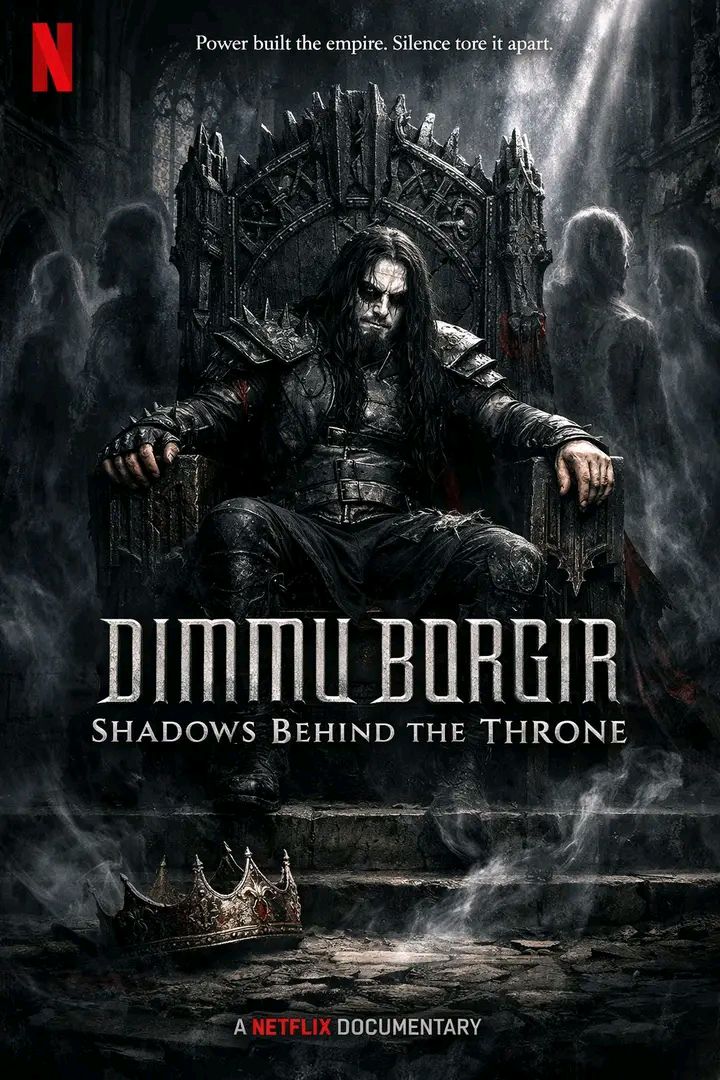
Inside Dimmu Borgir’s Darkest Secret: Why Members Keep Walking Away
Dimmu Borgir, the legendary Norwegian symphonic black metal band, has long been revered for their dark, atmospheric sound and grandiose stage presence. Their music has inspired countless fans and influenced a generation of metal bands. However, behind the scenes, a troubling pattern has emerged: members frequently leave the band, sometimes abruptly, leaving fans and industry insiders questioning what truly lies behind the scenes of this dark musical empire. The question remains — what is Dimmu Borgir’s darkest secret, and why do members keep walking away?
## The Illusion of Eternal Darkness
Dimmu Borgir’s image is built on mystery, theatricality, and a sense of dark grandeur that seems almost eternal. Yet, beneath this shadowy exterior lies a complex web of internal struggles, creative differences, and personal conflicts. Many former members have spoken off the record about their experiences within the band, revealing a tumultuous environment that often clashes with the band’s majestic, unified front. The band’s reputation for perfectionism, intense touring schedules, and high expectations has created a pressure cooker environment, where allegiances can quickly turn sour.
## The Personal Toll of Darkness
One of the most significant reasons members leave is the toll that life in Dimmu Borgir takes on their personal well-being. Touring relentlessly, living up to the band’s mythic image, and maintaining a constant level of artistic excellence can become overwhelming. Several former members have cited mental health struggles, burnout, and personal crises as reasons for their departure. The darkness they help create on stage and in the studio often contrasts sharply with their personal realities, leading some to seek a more stable or private life away from the constant spotlight of their gothic, infernal universe.
## Creative Disagreements and Artistic Direction
Another core issue behind the revolving door of band members is creative dissatisfaction. Dimmu Borgir’s musical evolution over the years has seen shifts in style, from raw black metal roots to symphonic grandeur and even more experimental sounds. While some members embrace this evolution, others feel stifled or disconnected from the band’s direction. Creative conflicts can lead to tensions, with some members feeling their artistic vision is compromised or overshadowed by the band’s desire for grandiosity. This divergence often culminates in members deciding to step away, seeking artistic freedom elsewhere.
## The Dark Secret: Power Dynamics and Control
Insiders suggest that one of the band’s darker secrets involves internal power struggles and control issues. Dimmu Borgir’s leadership has often been accused of fostering a hierarchical environment where decisions are made unilaterally, with little regard for the input of other members. Such dynamics can breed resentment, mistrust, and feelings of alienation. When members feel sidelined or undervalued, they are more likely to walk away, unable to reconcile their personal ambitions with the band’s internal politics.
## The Cost of Maintaining the Myth
The band’s elaborate live performances, album productions, and their mythic image require immense dedication and sacrifice. Members often find themselves caught between their personal lives and the relentless demands of maintaining Dimmu Borgir’s reputation. The pressure to uphold a dark, mysterious persona can sometimes feel like a burden, leading members to retreat or leave altogether. The darker secret here is that the glamour of the gothic façade masks the emotional and mental toll experienced by those inside the band.
## What Lies Ahead?
Despite the high turnover, Dimmu Borgir continues to be a dominant force in the metal scene, with new members stepping in to carry the torch. However, the recurring theme of departure hints at deeper issues within the band’s internal structure. The dark secret is that beneath the surface of their majestic, infernal image, there exists a fragile ecosystem plagued by internal conflicts, personal struggles, and the unrelenting pressure to remain at the top of their dark domain.
In conclusion, the reason members keep walking away from Dimmu Borgir is shrouded in mystery, but the truth lies in the complex interplay of internal power struggles, personal sacrifices, and creative disagreements. Their dark, mesmerizing façade masks a tumultuous reality — one that continues to challenge the very foundation of what makes Dimmu Borgir a legendary, yet volatile, force in the realm of black metal.