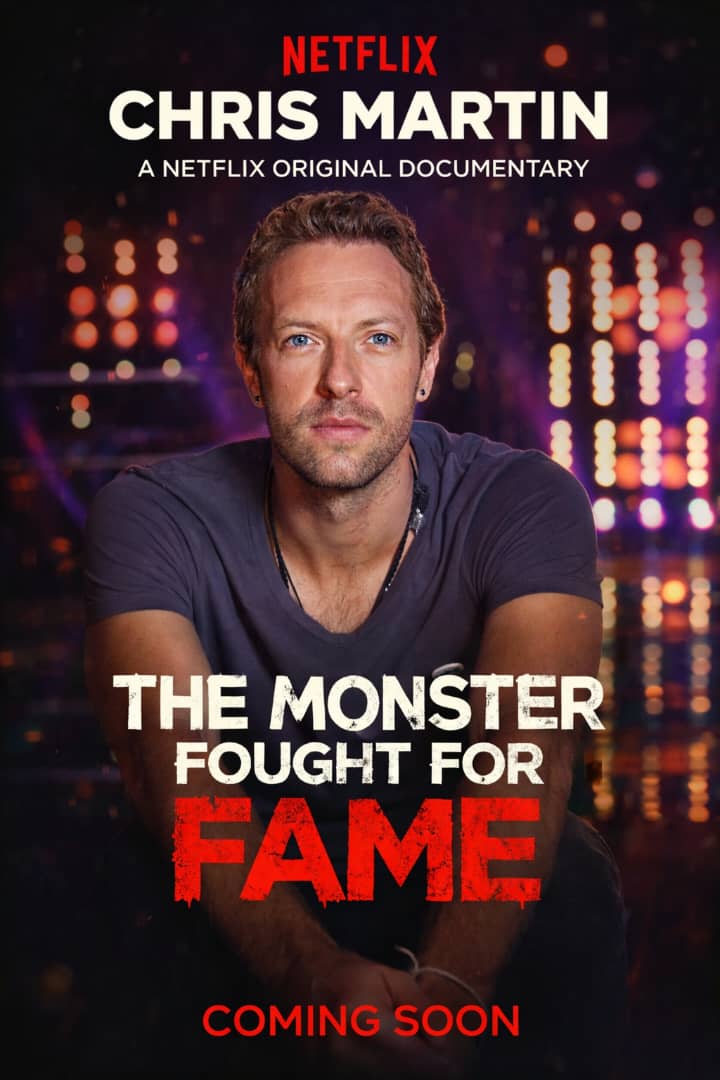
Chris Martin’ Story Told in Cinema as Netflix Exposes the Dark Side of Fame: The Monsters Chris Martin Fought Will Shock You! Details Here
Netflix peels back the glittering curtain of global stardom in a powerful new cinematic documentary that explores the life, legacy, and hidden struggles of Chris Martin, the voice and soul of Coldplay. Known worldwide for anthems that fill stadiums and heal hearts, Martin’s journey has often appeared luminous and effortless. But this film reveals a far more complex truth—one shaped by internal battles, emotional turmoil, and the heavy cost of fame.
From its opening frames, the documentary sets an intimate tone. Instead of roaring crowds, viewers are welcomed with quiet moments: Chris Martin alone at a piano, softly working through melodies in near darkness. These scenes immediately signal that this is not a celebration of success, but an honest examination of what lies beneath it. Through candid interviews, Martin reflects on the pressure of global expectations and the weight of being a constant source of hope for millions.
At the center of the film is Martin’s long, personal struggle with depression and anxiety, battles he has rarely spoken about in such depth. He describes how fame magnified his vulnerabilities, turning self-doubt into a relentless voice that followed him from city to city. The documentary explores how even at the height of Coldplay’s success, Martin often felt disconnected, isolated, and emotionally exhausted.
One of the most revealing chapters focuses on the aftermath of his highly publicized personal relationships. Martin opens up about heartbreak, loneliness, and the emotional fallout of living private pain in public view. Netflix doesn’t sensationalize these moments; instead, it allows Martin’s honesty to lead, showing how deeply personal loss influenced some of Coldplay’s most iconic songs.
The film also delves into creative pressure—the constant need to evolve, stay relevant, and outdo past success. Martin admits that fear of failure haunted him, sometimes paralyzing his creativity. The very music that uplifted millions was born from nights of uncertainty, self-criticism, and emotional vulnerability. In these moments, the documentary reveals one of Martin’s greatest “monsters”: the impossible expectation to always be okay.
Visually, the documentary is striking. Explosive concert scenes drenched in color sharply contrast with muted backstage footage, reinforcing the emotional divide between performance and reality. Netflix uses this cinematic contrast to emphasize how fame often masks pain rather than eliminating it.
Yet this is not a story of despair. As the film progresses, it shifts toward healing and resilience. Martin speaks openly about therapy, meditation, gratitude practices, and the importance of self-awareness. He credits these tools with helping him survive the darkest periods of his life and continue creating music with purpose rather than pressure.
By the final moments, viewers are left with a renewed understanding of Chris Martin—not just as a global superstar, but as a human being who chose vulnerability over silence. Netflix’s documentary becomes a powerful statement on mental health, reminding audiences that even the brightest stars fight unseen battles.
This cinematic journey doesn’t just expose the dark side of fame—it humanizes it. Chris Martin’s story is one of survival, growth, and the courage to keep singing, even when the world expects perfection.